
Verified Supplier#1238104SCEXQFK1VH9Sponsored
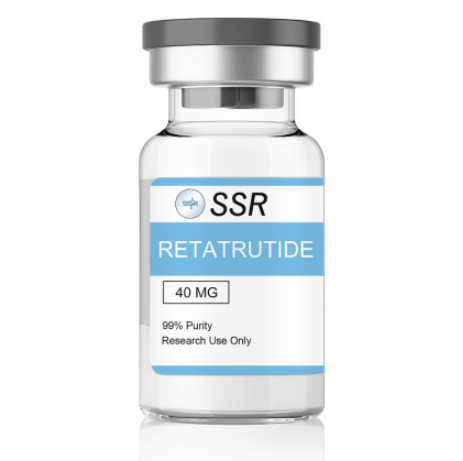
Retatrutide
GLP-1 Peptide · 5mg~40mg
MOQ: 10 vials / 1 box
Wholesale Pricing$50 - $192Supplier marketplace pricing range
Purity99.740%
Tested15 APR 2026
Supplier Rating★ 4.9
Orders2,421

Verified supplierChina
SSRBIOSSRBIO specializes in high-purity peptide manufacturing, GLP-1 research compounds, and global fulfillment. Leveraging years of international logistics experience and comprehensive export documentation, SSRBIO delivers research products worldwide with a customer-first delivery guarantee, including complimentary reshipment or a full refund for eligible undelivered orders.
Priority Express
Supplier listing intelligence
Retatrutide wholesale supplier listing
Product overview
Retatrutide wholesale listing from SSRBIO offering configurable 5mg to 40mg research vial options for metabolic and GLP-1 peptide research applications. Includes public Janoshik batch verification references, MOQ export ordering, tracked China dispatch fulfilment, and international supplier shipping support.
Purity99.740%
MOQ10 vials / 1 box
MG Range5mg~40mg
SupplierSSRBIO
Supplier details
SSRBIO
CountryChina
Task Number#123810
Verification Key4SCEXQFK1VH9
Tested15 APR 2026
Global fulfilment
Shipping lanes
Tracking information is provided once the order has shipped.
USA Priority Export Shipping7–12 business days$25
Canada Tracked Export Shipping8–15 business days$30
UK Tracked Export Shipping7–14 business days$25
EU Tracked Import Shipping8–16 business days$30
More from this seller
More products from SSRBIO
Browse additional verified listings from the same marketplace supplier.
Compound intelligence
Retatrutide
Overview
Retatrutide is an investigational synthetic peptide designed as a triple hormone receptor agonist targeting GLP-1, GIP, and glucagon receptor pathways. It is one of the most closely watched metabolic research compounds because it combines three incretin and energy-balance signalling pathways in a single molecule.
Molecular Class
Synthetic peptide / incretin-based triple hormone receptor agonist.
Mechanism
Retatrutide is designed to activate glucose-dependent insulinotropic polypeptide receptor, glucagon-like peptide-1 receptor, and glucagon receptor pathways. This combined receptor profile makes it different from single GLP-1 agonists and dual GIP/GLP-1 agonists.
Research Areas
- Obesity research
- Metabolic signalling research
- Type 2 diabetes research
- Liver-fat and MASLD research
- Appetite and satiety pathway research
- Cardiovascular risk-factor research
- Energy expenditure research
- Incretin pharmacology research
Research Status
Retatrutide remains an investigational compound in active clinical development. Lilly is studying it across several Phase 3 programs, including obesity, type 2 diabetes, sleep apnea, osteoarthritis, cardiovascular and renal outcomes, and metabolic dysfunction-associated steatotic liver disease.
Market Demand
Global demand is driven by obesity, metabolic disease, GLP-1, and next-generation incretin research. China-based peptide manufacturers frequently list retatrutide in wholesale vial formats for international research buyers.
Product FAQ
Retatrutide supplier questions
What is Retatrutide?
Retatrutide is a glp-1 peptide supplied by SSRBIO, featuring public Janoshik-linked batch testing references, 5mg~40mg vial configurations, and China fulfilment support for research-use laboratory workflows.
What MG configurations are available for Retatrutide?
Retatrutide is available in 5mg~40mg configurations depending on SSRBIO inventory availability and supplier stock levels.
Has Retatrutide undergone batch testing?
SSRBIO is a peptide supplier operating from China, offering Retatrutide batches with public laboratory testing references and international fulfilment support.
Who supplies this Retatrutide?
SSRBIO is a China-based peptide supplier offering Retatrutide batches with public laboratory testing references and international fulfilment support.
What is the MOQ for Retatrutide?
The current minimum order quantity for Retatrutide is 10 vials / 1 box.
Is Retatrutide intended for human use?
Retatrutide is supplied strictly for laboratory research use only and is not sold for human consumption, medical use, or self-administration.